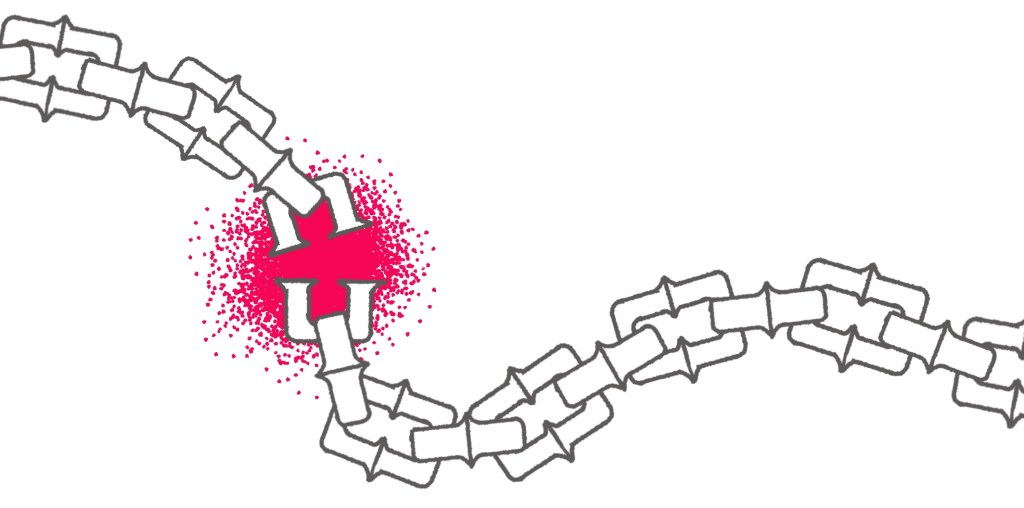
Sexual and relationship trauma has deep physical and emotional impacts – trauma literally changes the structure of our brains. Some people process trauma differently than others – some people develop short-term depression or anxiety, and some people experience long-term impacts including complex post-traumatic stress disorder (C-PTSD). Social and emotional isolation can further contribute to trauma-related difficulties – therapy can aid in disrupting that isolation and healing trauma, creating a path forward.
I approach trauma work gently, attuning to each client’s needs, capacity, and experience. We move at your pace and therapy often becomes a space for reclaiming autonomy and understanding your own boundaries.
In beginning stages, trauma work often looks like validation and support -therapy provides a safe and non-judgmental space where survivors can openly discuss their experiences. In session, you will be emotionally held with compassion and empathy. Trauma work is hard work – and we need a secure base to do that work safely. Early in our work, we identify and enhance healthier coping strategies – addressing present trauma-related difficulties while working toward healing those deeper wounds.
As the therapeutic relationship strengthens, many people move toward processing traumatic experiences. In my practice, I facilitate this through parts work, EMDR, and narrative therapy.
RECLAIMING your OWN narrative
Survivors of sexual and relationship trauma often experience negative self-perceptions and feelings of self-blame or shame. Over time, therapy helps by challenging and reframing these beliefs, fostering self-compassion and self-acceptance. It can feel like a daunting process, but you can rebuild a trusting and compassionate relationship with yourself.
Traumatic experiences impact our current and future relationships – but that doesn’t mean that healthy and secure relationships aren’t possible. Part of trauma work is often learning your own boundaries and capacities – and learning to effectively communicate that information to others. In therapy, you will work to identify triggers and identify disruptive communication patterns, empowering you to take action to strengthen your important relationships with others.